
AI dominates every industry and every conversation in 2026. That includes those working in Visual Effects.
At the surface level, AI seems to be poised to replace all the expensive and time consuming aspects of creating top tier visuals for video and film - whether that is compositing, cleanup, screen comps, CG integration, virtual sets, and so on. It's easy to visualize a world where none of this complexity is needed anymore.
But the reality is, today's AI cannot produce this complex level of polished imagery with the control the clients and creative directors ask for and are used to. And likely will not for several years to come.
Speed & Efficiency by AI + Control & Precision by VFX
This capability gap can be bridged by combining traditional VFX processes with new AI tools. That leverages the speed and efficiency improvements from AI with the precision and control VFX artists add to the mix. To do that, AI tools aren't asked to provide finished imagery but rather components that can be assembled into a final result. VFX artists have additional tools at their disposal that allow them to direct AI models in very specific ways, down to pixel-level direction where something should be placed or how it should look.
The result: Projects that were previously out of reach due to excessive VFX cost, are now feasible. And some projects can now be accomplished faster and on smaller budgets. Especially during times of economic uncertainty, this can make the difference between moving forward, or scrapping the plan.
Here are two examples to illustrate why a VFX artist can get more controlled results from AI tools than an average user writing prompts.
Example 1: Fine control over head movement
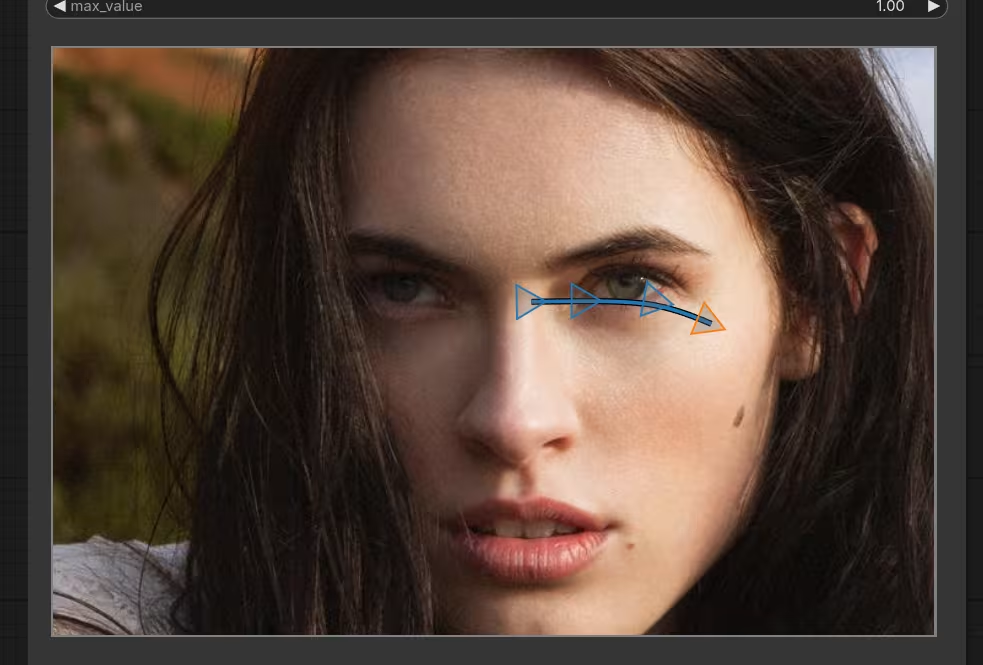
For this example a single still image with a striking face from prior work was used. The goal was to have the head turn and the eyes first keep the camera, but then look away. And this movement needs to be tightly controlled to evoke the right emotions.
A specialized AI workflow, familiar to many VFX artists, was used to draw the specific path in which the head should move, and a prompt was written that described the desired eye movement.
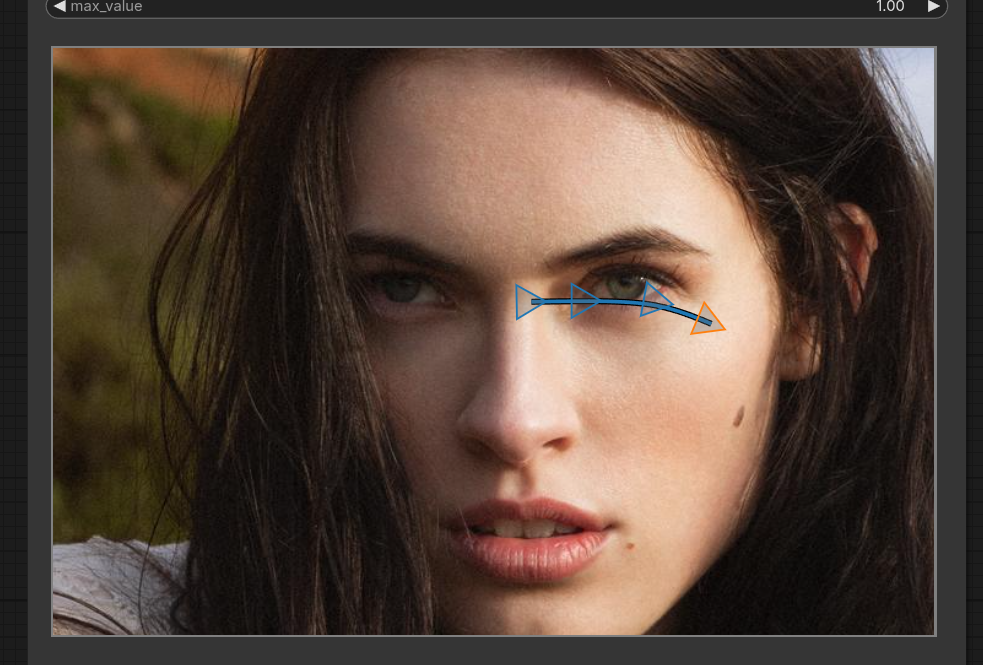
With this setup the VFX artist can draw the exact movement and modify it based on feedback from the creative director. Want the turn to be less, or maybe looking down more at the end? No problem. Turn the other way. Fine. Maybe a nod? Just a second.
Example 2: Detailed object control
For this example is to showcase a small boat at sunset.
The traditional approach would be to describe the desired boat in as much detail as possible and hope to get close. This approach is sometimes referred to 'prompt and pray' or simpler just 'brute force'. It burns through AI tokens at rapid pace and rarely is completely satisfactory.
Instead of excessive prompts, the VFX artist used a specific CG model of the exact boat to be used. For this example we downloaded a boat from a popular library (CGTrader). But we could also have modeled it precisely or maybe the client already had a CG model.
This model was loaded into a traditional CG scene to define the scale and pose of the boat, as well as the horizon line and water line witch which it should be placed. That scene was then rendered as a clay model guide track for the AI, a fast an efficient step.
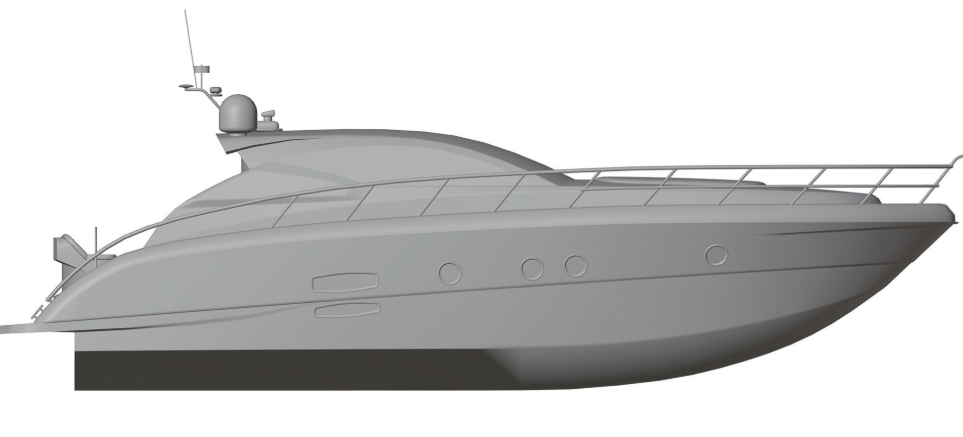
The first AI workflow step used the CG rendered scene to create a start frame for the video that represents this boat very closely. In a second workflow step this start frame was then used to convert it into into a video that is the end result. A short grade in Baselight to enhance the colors delivers a predictable and satisfying result.
In further steps this video could be enhanced with traditional techniques to add a name plate, place people in the boat, or combine it with additional elements.
And the techniques for example 1 could be applied to shape the trajectory of the boat with more precision.
Most of the work in these examples was accomplished running locally, and without expensive Cloud AI fees.
Let's Talk
If you use AI models to generate visual content, but are frustrated by the quality and control of what you get back, we're here to help. AI and Visual Effects make a great team to deliver high quality assets without giving up control or breaking budgets.